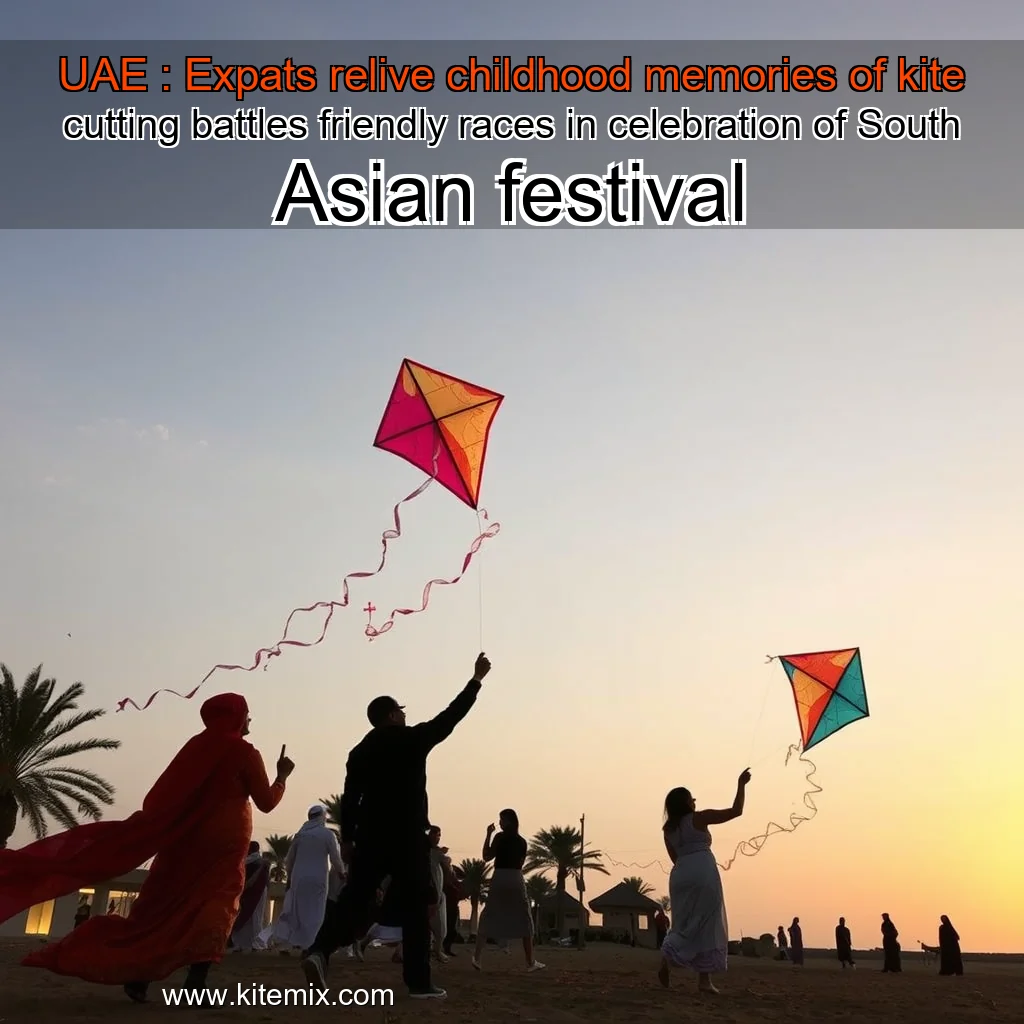
UAE : Expats relive childhood memories of kite cutting battles friendly races in celebration of South Asian festival
The festival is also associated with the legend of a young girl named Sita, who was abducted by the demon king Ravana.
The Significance of Basant
A Celebration of Life and Nature
Basant is a vibrant and colorful festival that symbolizes the arrival of spring and the renewal of life.
The event was a reunion of sorts, bringing together people from different parts of the world who had been separated by time and distance.
The Origins of the Event
The event, known as the Kite Festival, has its roots in the ancient Indian tradition of kite-flying. The festival has been celebrated for centuries, with its origins dating back to the Mughal Empire. The festival was initially a symbol of good luck and prosperity, with kites representing the gods and goddesses of the Hindu pantheon. Over time, the festival evolved and spread to other parts of the world, including Pakistan and Bangladesh.
The Evolution of the Festival
The Significance of the Event
The Kite Festival is more than just a fun and entertaining event; it has significant cultural and social implications. The festival brings together people from different backgrounds and age groups, promoting unity and understanding. The festival is a celebration of the country’s rich cultural heritage. It is also a symbol of national pride and identity.
It is celebrated with great enthusiasm and fervor by the people of Pakistan. It is a festival of colors, music, and joy. The festival is celebrated over a period of five days, starting from the first day of the month of Chaitra, which falls in March in the Gregorian calendar.
The Significance of Basant
Basant is a festival that holds great cultural and historical significance in Pakistan. It is a celebration of the arrival of spring, and the festival is deeply rooted in the country’s rich cultural heritage. The festival is celebrated with great fervor and enthusiasm, and it is a time for people to come together and celebrate the beauty of nature.
The History of Basant
The history of Basant dates back to the Mughal era, when it was celebrated as a festival of love and beauty. The festival was a time for the Mughal emperors to showcase their wealth and power, and it was also a time for the common people to celebrate the arrival of spring. Over time, the festival has evolved and has become an integral part of Pakistani culture.
The Celebrations of Basant
The celebrations of Basant are a sight to behold. The festival is marked by the release of birds, the flying of kites, and the display of colorful decorations. The release of birds is a significant part of the festival, and it is a time for people to release their worries and troubles. The flying of kites is a popular activity during the festival, and it is a time for people to show off their skills and creativity.
Celebrating centuries-old traditions with colorful kites and lively festivities.
The festival was attended by over 100,000 people, with many more watching on television.
The Kite Festival of Nazwa
The Kite Festival of Nazwa, held annually in Sharjah, is a spectacular event that showcases the art of kite-making and flying. The festival has been a part of the city’s cultural calendar for over 40 years, attracting visitors from all over the world.
History of the Festival
The festival has its roots in the traditional kite-flying culture of the region. The word “kite” is derived from the Arabic word “kut,” which means “string.” The art of kite-making has been passed down through generations, with each region having its unique style and design. The festival was first held in 1978, and since then, it has grown in popularity, attracting more and more visitors each year. The festival is organized by the Sharjah Kite Festival Committee, which works tirelessly to ensure that the event is a success.
Adding to the celebratory spirit, renowned Pakistani singers Abrar Ahmed and Bilal Saeed will perform on Sunday evening, enthralling the audience with their hit songs.