Kite flyers announce new date for Basant
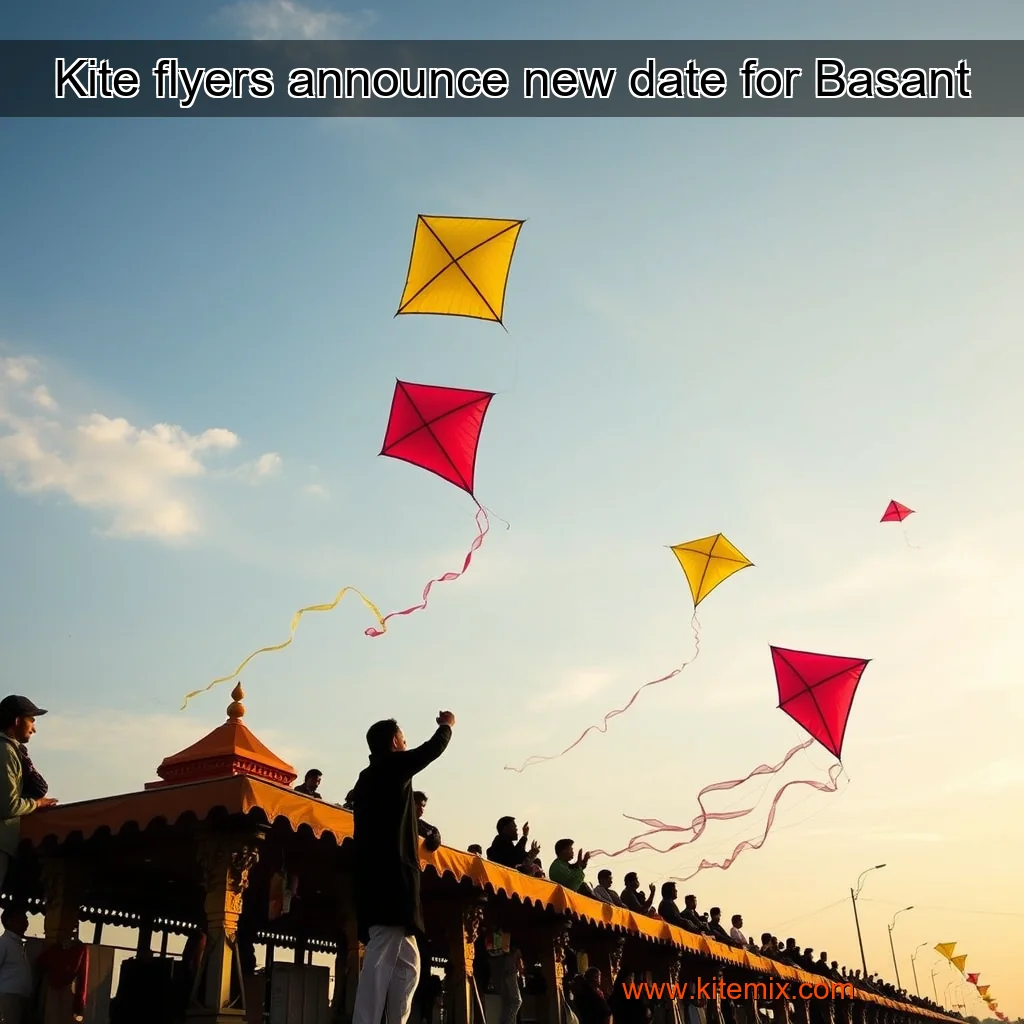
The History of Basant
Basant, also known as the “Festival of Colors,” is a traditional spring festival celebrated in the Indian subcontinent. The festival is associated with the arrival of spring and the return of birds to their habitats. The festival is celebrated in various forms across different regions, but its core theme remains the same – the joy of flying kites.
Origins of Kite Flying
Kite flying has its roots in ancient India, dating back to the Indus Valley Civilization. The earliest known evidence of kite flying comes from the Indus Valley Civilization, which flourished around 4000 BCE. The people of the Indus Valley Civilization used kites made of silk and paper to fly during festivals and celebrations.
Cultural Significance
Basant is not just a festival; it’s a cultural phenomenon that brings people together. The festival is celebrated with great enthusiasm and fervor, with people of all ages participating in kite flying competitions. The festival is also associated with the arrival of spring, which marks the beginning of a new season.
Government Restrictions
The government has imposed a strict ban on kite flying in the past, citing safety concerns and the potential for damage to property.
Kites are being delivered to homes through social media networks. Kite enthusiasts are excited to participate in the Basant Night celebrations.
The Magic of Basant Night**
Basant Night, a vibrant and enchanting celebration, is just around the corner. This ancient festival, deeply rooted in Indian culture, is a time for kite-flying enthusiasts to come together and indulge in a night of merriment and joy.