Kiteboarding: Mastering the Wind’s Wild Ride
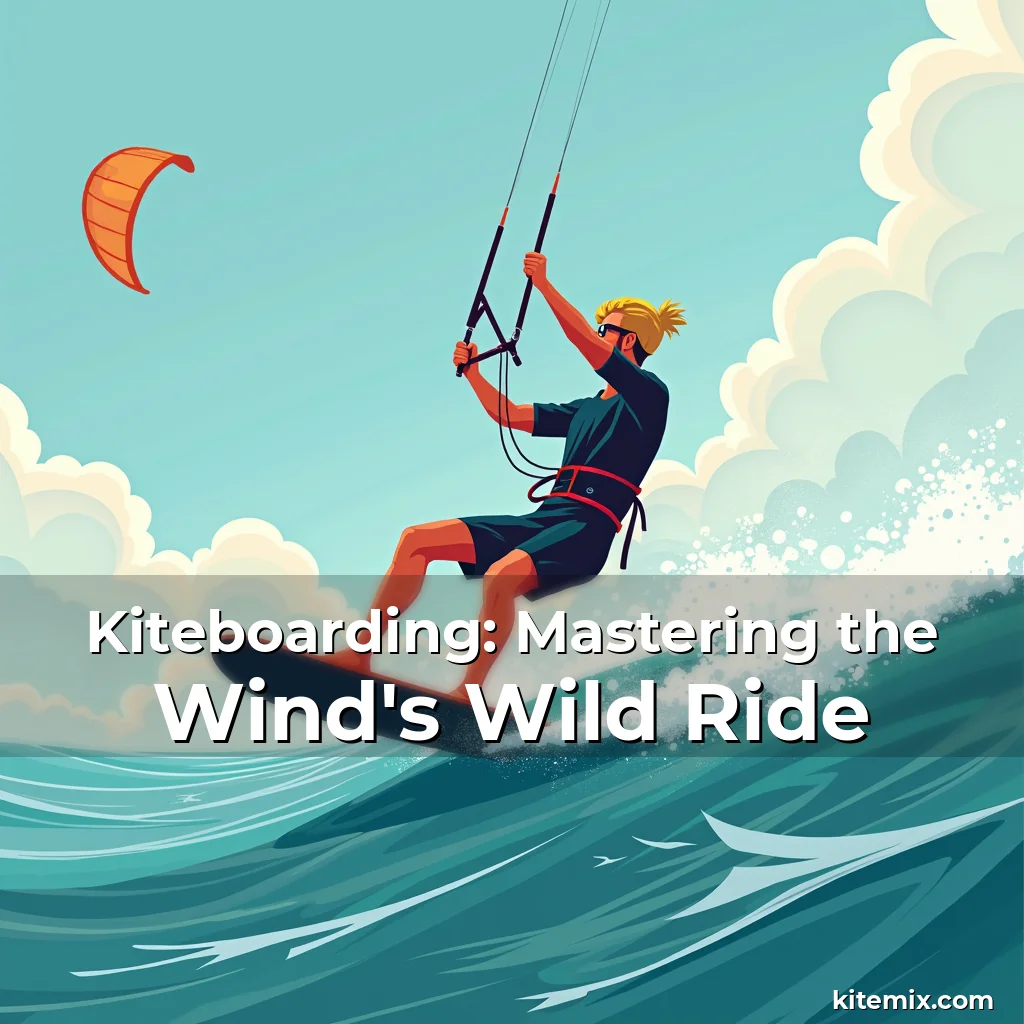
Kiteboarding is an exhilarating water sport that combines elements of wakeboarding, windsurfing, and paragliding. It involves riding on a board while being pulled by a kite, allowing enthusiasts to harness wind power for high-speed thrills across lakes, oceans, and even snow-covered terrain.
This dynamic activity offers both physical challenges and mental rewards, making it appealing to adventurers seeking new experiences and those looking to connect deeply with nature through movement.
The Origins and Evolution of Kiteboarding
Kiteboarding traces its roots back to ancient times when early civilizations used simple kites for transportation and fishing. However, modern kiteboarding as we know today began taking shape in the late 20th century with innovations in materials science and aerodynamics.
Innovative minds like the German engineer Burkhard Bohn developed early prototypes during the 1980s, laying foundational principles for what would become a global phenomenon. These pioneers experimented extensively with different kite designs and control systems to enhance safety and performance.
- Early experimentation: Initial attempts focused on using traditional sail technology adapted for airborne use.
- Pioneering figures: Notable individuals such as Manfred Ruhmer played crucial roles in advancing kite design through rigorous testing and refinement processes.
Fundamentals of Kiteboarding Equipment
Understanding the essential components of kiteboarding gear is vital before stepping onto the water or snow. The primary equipment includes the kite itself, which varies significantly based on size, material composition, and intended usage scenarios.
A well-chosen kite must balance lift generation against stability requirements; larger kites provide greater pull but require more space and skill to handle effectively. Conversely, smaller kites offer better maneuverability at lower speeds.
Selecting Your First Kite
Newcomers often face confusion regarding which kite best suits their needs. Factors such as local wind conditions, personal fitness levels, and desired activities heavily influence this decision-making process.
For example, beginners might benefit from choosing hybrid inflatable kites designed specifically for ease of learning due to their forgiving characteristics under varying wind intensities.
Mastering Basic Techniques and Safety Protocols
Safety remains paramount in any form of extreme sports, including kiteboarding. Before attempting advanced maneuvers or venturing beyond beginner-friendly zones, participants should thoroughly understand emergency procedures and self-rescue techniques.
Proper body positioning plays a critical role in maintaining control over the kite and minimizing risks associated with sudden gusts or unexpected weather changes. Maintaining a low center of gravity helps prevent capsizing incidents.
- Pre-launch checks: Always inspect lines, bar settings, and kite integrity prior to launching.
- Emergency protocols: Knowing how to depower your kite quickly can save lives in dangerous situations involving strong crosswinds or turbulence.
Progression Through Skill Levels
As riders gain confidence and proficiency in fundamental skills, they naturally progress toward intermediate and advanced levels where complexity increases dramatically. This journey requires dedication, patience, and continuous practice sessions tailored towards individual goals.
Intermediate practitioners typically learn tricks like kiteloops, jibes, and aerial rotations after mastering basic directional control and wave riding capabilities. Advanced competitors then push boundaries further by attempting complex freestyle routines featuring multiple spins and flips mid-air.
- Wave riding: Utilizes natural swells to perform stylish turns and jumps without relying solely on artificial structures.
- Freestyle competitions: Feature highly technical moves scored based on creativity, difficulty level, and execution quality judged by panels of experts.
Exploring Different Variants of Kiteboarding
While most people associate kiteboarding exclusively with oceanic environments, variations exist catering to diverse preferences and geographical locations. Snowkiting represents one notable alternative gaining popularity among winter sports enthusiasts worldwide.
In snowkiting, similar principles apply except instead of boards, skiers utilize specialized sleds equipped with bindings connected via tow ropes attached to powerful kites capable of generating sufficient traction on icy surfaces.
Community and Culture Within the Kiteboarding World
The spirit of camaraderie within the kiteboarding community fosters mutual support and knowledge sharing amongst members regardless of experience levels. Events ranging from informal meetups to international championships create opportunities for networking and competitive engagement simultaneously.
Online platforms play significant roles too, serving as hubs where users exchange tips, review gear options, discuss training methodologies, and share breathtaking photos capturing moments captured during rides.
- Local clubs: Offer structured programs aimed at nurturing talent while promoting safe practices locally.
- Digital forums: Facilitate real-time communication between professionals and amateurs alike who are passionate about exploring every facet of this thrilling pastime together.
Environmental Impact and Sustainability Practices
Like many outdoor pursuits, responsible participation ensures minimal ecological disruption while preserving pristine landscapes cherished by future generations. Adopting eco-conscious behaviors becomes increasingly relevant given rising awareness around climate change effects impacting marine ecosystems globally.
Eco-friendly initiatives involve reducing plastic waste generated from disposable items commonly found at events or resorts, opting for biodegradable products whenever possible, and supporting organizations committed to beach clean-ups and reef protection efforts actively engaged in conservation work.
Getting Started: A Step-by-Step Guide for Beginners
Embarking on a kiteboarding adventure begins with acquiring appropriate attire suited for prevailing weather conditions along with necessary protective gear such as helmets, wetsuits, and impact vests depending upon location specifics.
Courses offered by certified instructors help newcomers grasp core fundamentals safely while building muscle memory required for executing precise movements confidently. Investing time upfront leads to long-term enjoyment rather than rushed decisions potentially leading to injuries later down the line.
- Choosing lessons: Opt for reputable schools affiliated with recognized governing bodies ensuring adherence to strict safety standards.
- Practice areas: Begin in controlled environments offering calm waters devoid of obstacles or unpredictable currents until ready to tackle open seas.
Conclusion
Kiteboarding continues evolving rapidly thanks largely to technological advancements enabling safer, more efficient ways to interact dynamically with our planet’s renewable energy sources.
Whether you’re drawn primarily by adrenaline-fueled excitement or simply wish to explore uncharted territories metaphorically speaking, embracing kiteboarding promises unforgettable adventures filled with growth opportunities personally and collectively within supportive communities thriving around this beloved pursuit today.