Historical Evolution of Kite Designs
Elevating Flight: A Deep Dive Into Modern Kite Design Innovations and Traditions
Kite design is a fascinating intersection of aerodynamics, materials science, and artistic expression. From ancient Chinese silk kites to cutting-edge carbon-fiber hybrids, the evolution of kite shapes and structures reflects humanity’s enduring fascination with flight. This exploration delves into both historical foundations and contemporary advancements shaping today’s vibrant kiting landscape.
The kitemix community thrives on innovation while honoring tradition, creating a dynamic space where classic techniques meet modern technology. Understanding the principles behind various kite designs empowers enthusiasts to make informed choices whether they’re chasing high-performance speed or crafting intricate decorative pieces.
Historical Evolution of Kite Designs
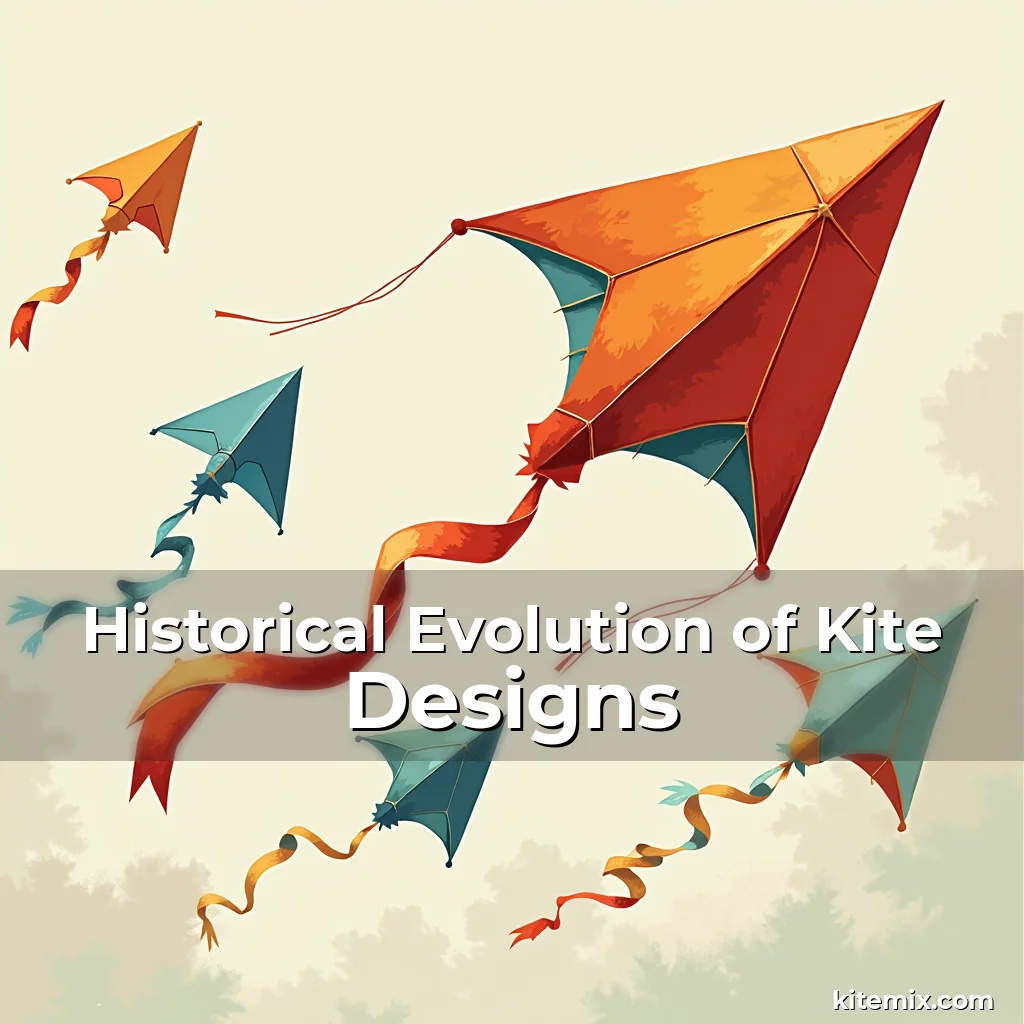
Traditional kite designs have roots stretching back over 2,000 years, originating independently across cultures worldwide. Early Chinese kites featured simple triangular frames covered with paper or silk, often used for religious ceremonies and military signaling. These foundational forms laid the groundwork for future innovations in lift generation and stability.
In Japan, Edo-period kites incorporated bamboo frameworks with washi paper, emphasizing aesthetic patterns rather than performance. Meanwhile, Aboriginal Australians developed boomerang-shaped kites made from animal sinew and feathers, demonstrating early understanding of air resistance and trajectory control.
European kite traditions emerged later, influenced by scientific curiosity during the Renaissance era. Leonardo da Vinci sketched flying machine designs inspired by bird wings, foreshadowing modern aerodynamic principles applied to kite construction centuries later.
- Triangular kites: Simplest form using rigid spars connected by crossbars, providing basic lift capabilities
- Square kites: Enhanced wind capture surface area compared to triangles, popularized in Western Europe
- Rhombus kites: Combination of triangle and square elements offering improved directional stability
- Circular kites: Unique shape requiring specialized bridle systems to achieve balance
Key Materials Shaping Contemporary Kites
Modern kite manufacturing leverages advanced materials that combine strength, flexibility, and weight reduction. Traditional wood and cotton have largely been replaced by synthetic composites capable of withstanding extreme weather conditions while maintaining structural integrity.
Fiberglass rods provide superior durability compared to natural bamboo, resisting warping even after prolonged exposure to moisture. Carbon fiber reinforcements offer exceptional stiffness-to-weight ratios, making them ideal for competition-grade speed kites demanding precise control mechanisms.
High-density polyethylene films replace conventional paper coverings, delivering enhanced tear resistance and UV protection. These materials enable manufacturers to produce translucent color effects that change appearance based on light angles and flight dynamics.
Some premium kites incorporate kevlar fibers within their framework, significantly increasing impact resistance without adding excessive bulk. This material choice proves particularly beneficial for stunt kites subjected to frequent collisions during aerial maneuvers.
Aerodynamics in Kite Engineering
Successful kite design hinges on mastering fundamental aerodynamic principles such as lift, drag, and center of pressure distribution. Engineers calculate these factors using computational fluid dynamics software before prototyping physical models for testing under controlled conditions.
The coefficient of lift determines how effectively a kite can ascend against gravity, measured against its projected surface area and incoming wind velocity. Optimizing this value involves careful consideration of wing profile curvature and aspect ratio calculations.
Different kite types require tailored aerodynamic solutions. Race kites prioritize minimizing induced drag through elliptical wingtips, whereas power kites maximize lift coefficients despite higher parasite drag penalties due to their broader profiles.
Bridle system geometry plays crucial role in stabilizing flight characteristics. Multi-point bridle configurations allow for fine-tuning of pitch moments, enabling pilots to execute complex figure-eight patterns with greater precision.
Personalizing Your Kite: Customization Techniques
Custom kite creation allows individuals to express personal style through unique color schemes, geometric patterns, and hybrid design elements. Many kiters choose to modify commercial products by altering tail lengths, adjusting sail tension, or integrating LED lighting systems for night visibility.
For those preferring complete DIY approaches, modular kite kits provide customizable components ranging from frame connectors to adjustable pulley systems. These flexible options cater to varying skill levels from beginners seeking simple modifications up to experienced builders tackling full custom builds.
Artistic customization extends beyond visual appeal, influencing functional properties. Incorporating asymmetrical cutouts in the sail fabric can alter torque characteristics, affecting turn response times when combined with modified bridle setups.
Some designers experiment with biomimetic features borrowed from nature, such as owl-feather-inspired vortex generators that reduce turbulence at high speeds or dragonfly-wing structures enhancing maneuverability during rapid altitude changes.
Sustainability in Kite Manufacturing
Eco-conscious consumers increasingly seek sustainable alternatives without compromising performance standards. Manufacturers now offer biodegradable film coatings, plant-based adhesives, and recycled composite materials that maintain structural integrity while reducing environmental footprint.
Pioneering companies have developed kites made entirely from reclaimed ocean plastics, transforming waste into functional art. These initiatives demonstrate that responsible production practices don’t necessarily sacrifice quality or aesthetics.
Modular design philosophies encourage longer product lifespans by allowing component replacements instead of whole unit disposal. Some brands implement take-back programs where old kites are refurbished or repurposed into new products.
Energy-efficient production methods further minimize ecological impacts. Solar-powered drying chambers accelerate curing processes for adhesive applications, eliminating reliance on fossil fuel heating sources typically required in traditional manufacturing facilities.
Safety Innovations in Kite Design
Advancements in safety-focused kite technologies aim to protect both flyers and bystanders through integrated fail-safe mechanisms. Automatic depowering systems engage when detecting abnormal stress levels, preventing catastrophic line breakage scenarios.
Torque-limiting ball bearings restrict sudden rotational forces that could cause hand injuries during abrupt gusts. These devices distribute force evenly across handle joints, reducing risk of strain-related damage.
Visibility-enhancing features include reflective tape patterns and strobe light attachments that increase conspicuity during low-light conditions. Such measures help prevent accidents involving unaware pedestrians or animals nearby.
Smart kites equipped with GPS tracking modules enable real-time location monitoring, invaluable for retrieving lost equipment or assisting search-and-rescue operations in emergency situations.
Future Directions in Kite Technology
Ongoing research explores potential applications beyond recreation, including renewable energy harvesting through airborne wind turbines. These futuristic designs leverage massive kite arrays suspended at high altitudes to generate electricity more efficiently than ground-mounted alternatives.
Nanotechnology promises breakthroughs in lightweight yet durable materials, potentially revolutionizing kite construction with self-repairing polymers that automatically seal microfractures caused by constant flexing during flights.
Augmented reality integration may soon transform kiting experiences by overlaying digital information onto real-world environments, providing instant feedback on wind speed, elevation gain, and optimal maneuvering strategies mid-flight.
Collaborative design platforms are emerging that connect global communities of innovators, facilitating crowdsourced improvements to existing kite models through shared data analysis and prototype testing networks spanning multiple continents.
The Role of Community in Shaping Kite Design
Vibrant online forums and local clubs serve as incubators for experimental designs that challenge conventional wisdom. Enthusiasts frequently share test results from unconventional shapes, inspiring others to refine ideas through iterative experimentation.
Open-source projects enable hobbyists to access blueprints for everything from beginner-friendly trainer kites to highly specialized stunt models. This democratization of knowledge fosters continuous innovation at grassroots level.
Annual competitions act as accelerants for technological progress, pushing participants to develop novel solutions to common challenges faced in competitive settings. Judges’ criteria often reward creative problem-solving approaches alongside technical excellence.
Manufacturer collaborations with active kiter communities lead to faster adoption cycles for successful prototypes, bridging the gap between amateur experimentation and mass-produced commercial offerings available in retail stores worldwide.
Conclusion
This comprehensive overview illustrates how kite design encompasses both rich historical heritage and exciting technological frontiers. Whether you’re drawn to the elegance of traditional styles or captivated by next-generation innovations, there’s always something new to discover in the ever-evolving world of kiting.
As you explore different kite designs, remember that true mastery comes from balancing theoretical knowledge with hands-on experience. Join your local kitemix group to share insights, try out new creations, and contribute to the ongoing story of human ingenuity taking flight.