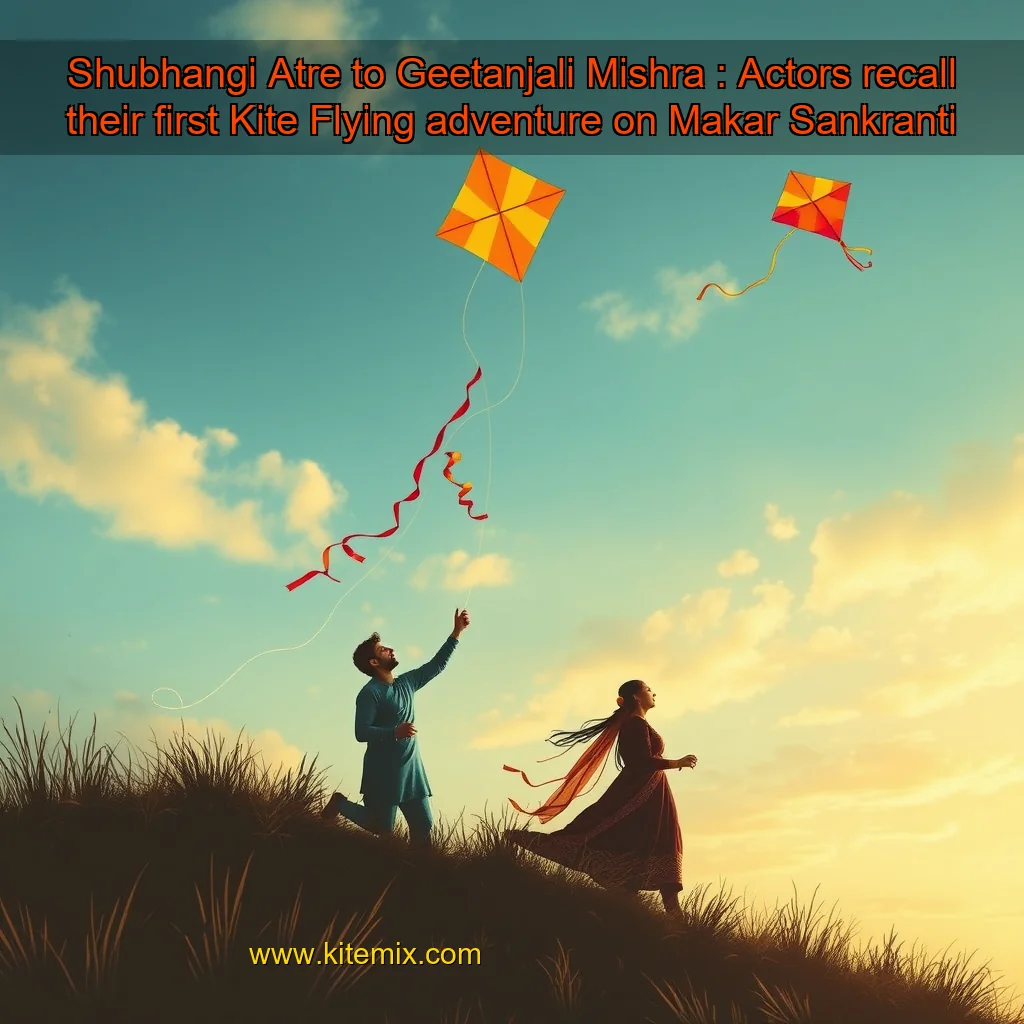
The festival is observed on the 14th day of the 13th month of the Hindu calendar, which falls on January 14th in the Gregorian calendar. It is a time of great joy and celebration, marked by the flying of colorful kites, the exchange of gifts, and the sharing of traditional sweets.
The Significance of Makar Sankranti
A Celebration of Renewal and Harmony
Makar Sankranti is a significant festival in the Hindu calendar, marking the beginning of the sun’s journey towards the northern hemisphere. This celestial event is believed to bring about a period of renewal and harmony, as the sun’s rays are thought to purify and energize the environment. The festival is also associated with the legend of the sun god, Surya, who is said to have descended to the earth to bless his devotees.
A Celebration of Unity and Togetherness
Makar Sankranti is a time when people from all walks of life come together to celebrate the festival. The tradition of kite flying is a symbol of unity and togetherness, as people of all ages and backgrounds gather to fly kites and share in the joy of the occasion.
He recalls the excitement and joy of watching the kites soar in the sky, feeling the wind rushing past his face, and the thrill of trying to catch the kites that flew away.
The Significance of Kite Flying in Gujarat
Kite flying is an integral part of the Makar Sankranti celebrations in Gujarat, and it holds a special place in the hearts of the people. The tradition is believed to have originated from the ancient Hindu epic, the Mahabharata, where it is mentioned as a way to celebrate the victory of good over evil. In modern times, kite flying has become a popular recreational activity, enjoyed by people of all ages.
The Art of Kite Making
Kite making is an art form that requires skill and patience. The process of making a kite involves selecting the right materials, such as bamboo, silk, and string, and then carefully crafting the kite’s design and shape. The kite’s tail is made from a long piece of cloth or paper, which is attached to the kite’s frame using a strong thread. The kite’s wings are made from a lightweight material, such as silk or nylon, which is carefully cut and shaped to create the desired aerodynamic shape. Key features of a traditional kite: + Bamboo frame + Silk or nylon wings + Cloth or paper tail + String or thread for flying
The Joy of Flying Kites
Flying kites is a thrilling experience that brings joy and excitement to people of all ages.
Kite-flying has been a part of Indian culture for centuries, and its significance extends beyond mere entertainment. It has cultural, social, and historical roots that are deeply intertwined with the country’s identity.
The Cultural Significance of Kite-Flying
Kite-flying is an integral part of Indian culture, with its origins dating back to the ancient Indus Valley Civilization. The sport has been a part of various festivals and celebrations throughout the history of India, including Makar Sankranti, Pongal, and Ugadi. These festivals are not just about celebrating the arrival of spring, but also about the cultural significance of kite-flying. The sport has been a symbol of national pride and unity, with kites of different colors and designs representing the diversity of India’s cultures and communities. Kite-flying has also been a part of various social and cultural practices, such as the ‘Kite Festival’ in Gujarat, which is celebrated with great enthusiasm and fervor.
The Significance of Makar Sankranti
Makar Sankranti, celebrated on January 14th, is a significant festival in Hinduism, marking the beginning of the sun’s journey towards the northern hemisphere. This ancient festival has been a part of Indian culture for centuries, symbolizing the triumph of good over evil and the victory of light over darkness.
The History of Makar Sankranti
The origins of Makar Sankranti date back to the Vedic period, around 1500 BCE. According to Hindu mythology, the god Surya (the sun) was said to have descended from the heavens to the earth, bringing light and warmth to humanity.
Bhabiji Ghar Par Hain shoot resumes; actors share first day experience post lockdown End of Article FOLLOW US ON SOCIAL MEDIA