The Crackdown on Beggars in Rawalpindi
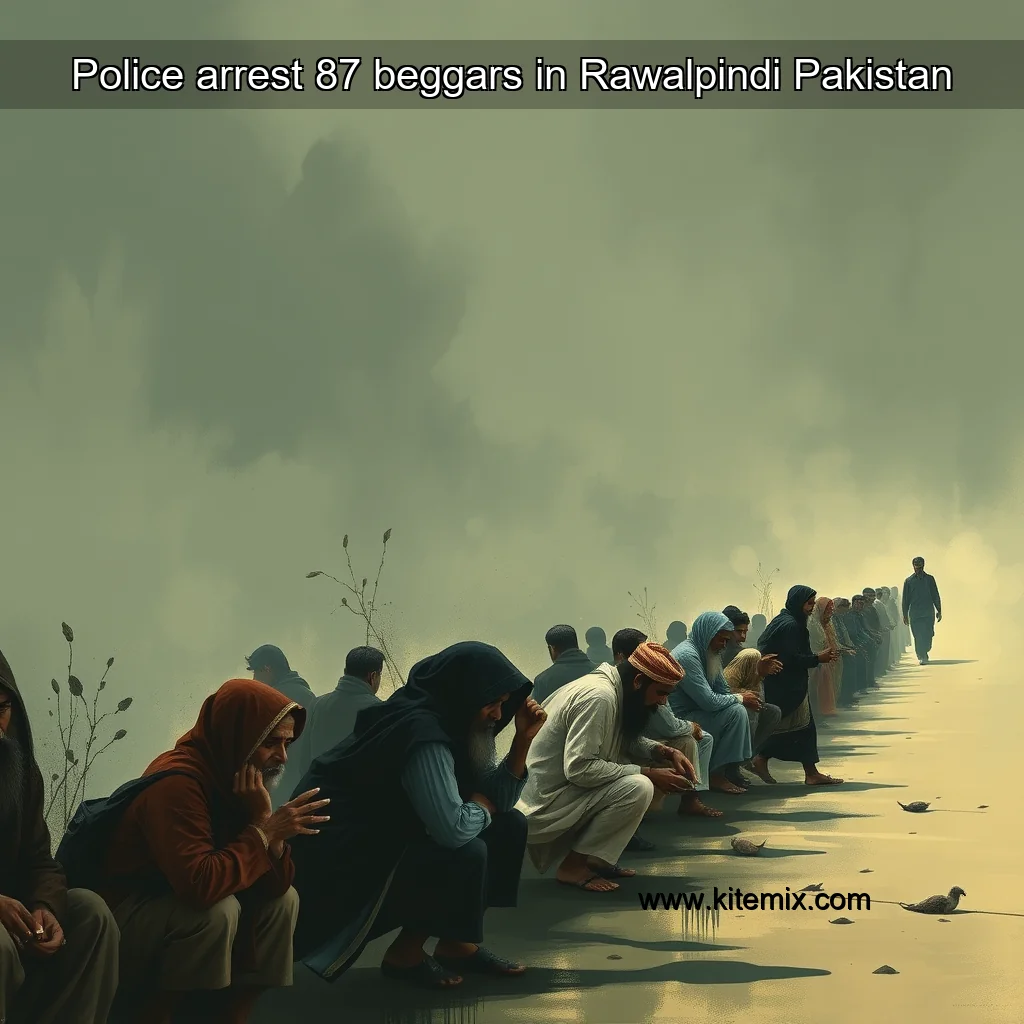
The recent crackdown on beggars in Rawalpindi has left many in the community stunned and concerned. The police have been actively working to round up beggars and relocate them to a designated area. The operation, which began on [insert date], has resulted in the arrest of 87 beggars in the last 24 hours.
The Reasons Behind the Crackdown
The Punjab chief minister’s orders have been the driving force behind the crackdown on beggars. The government has been facing criticism for its handling of the beggar population, with many arguing that the current system is ineffective and inhumane. The chief minister’s orders aim to address these concerns and provide a more humane solution for the beggars. The government has been working to establish a network of shelters and rehabilitation centers to provide support and care for the beggars. The crackdown is also aimed at reducing the number of beggars on the streets, which has been a major concern for the local community. The government has also been working to provide alternative livelihoods for the beggars, such as vocational training and job placement programs.
The Impact on the Community
The crackdown on beggars has had a significant impact on the community, with many residents expressing concerns about the operation. Some have argued that the crackdown is too harsh and that the beggars are being unfairly targeted. The local community has been divided on the issue, with some supporting the crackdown and others opposing it. Many residents have expressed concerns about the safety and well-being of the beggars, who are often vulnerable to exploitation and abuse.
The Rise of Professional Begging in Rawalpindi
Rawalpindi, a city in the Punjab province of Pakistan, has witnessed a significant increase in professional begging in recent times. This phenomenon has not only affected the city’s residents but also raised concerns among local authorities. In this article, we will delve into the issue of professional begging in Rawalpindi, its causes, and the measures being taken to address it.
Causes of Professional Begging
Professional begging is a complex issue that arises from a combination of factors. Some of the key causes include:
The Impact on Residents
The rise of professional begging in Rawalpindi has had a significant impact on the city’s residents. Some of the effects include:
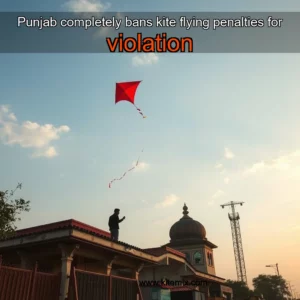
The Background of the Kite Flying Ban
The decision to ban kite flying in the province was made in response to the increasing number of accidents and injuries caused by kite flying.