The Concept of Kattam Katti
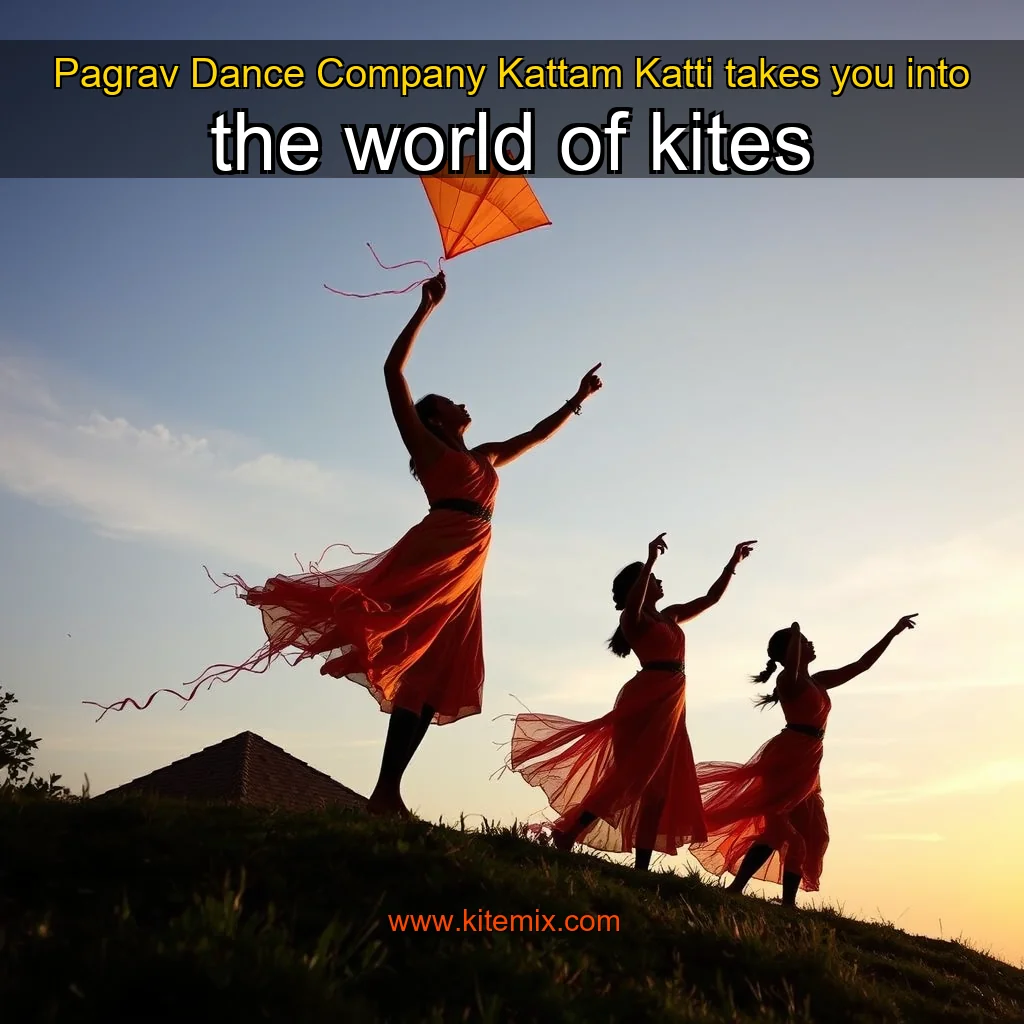
Kattam Katti, which translates to “the dance of the kite,” is a unique and captivating performance that weaves together the themes of life, love, and the fleeting nature of time. The dance production is inspired by the traditional Indian festival of Makar Sankranti, which celebrates the harvest season and the union of the sun and the earth.
The Poem and the Dance
The dance production is based on a poem by Avinash Vyas, which explores the parallels between life and kites. The poem highlights the similarities between the two, including the way kites soar high in the sky, only to be pulled down by the wind, much like the ups and downs of life. The dance production takes this concept and expands upon it, using the kite as a metaphor for the human experience. The dance is characterized by its use of fluid movements, which evoke the feeling of a kite soaring through the air. The choreographer, Urja Desai Thakore, has incorporated a range of techniques, including Bharatanatyam, Kathak, and contemporary dance, to create a unique and captivating performance. The dance production also features a range of props, including kites, ribbons, and fabrics, which add to the overall aesthetic and emotional impact of the performance.
The Significance of Makar Sankranti
Makar Sankranti is a significant festival in Indian culture, celebrated on January 14th every year.
Simple yet powerful, minimalist music strips away the extraneous to reveal the essence of the performance.
The musicians were dressed in simple, monochromatic attire, and the set was a stark, minimalist design. The lighting was also minimalist, with a focus on subtle, nuanced changes that added depth and texture to the performance.
The Art of Minimalist Music
A New Approach to Performance
The minimalist approach to music is a departure from the traditional, elaborate performances that often feature complex scores and elaborate stage designs. Instead, minimalist music emphasizes simplicity, clarity, and precision. This approach can be seen in the way the musicians performed on stage, weaving in and out of the performance space with ease and precision.
Instead, the percussion instruments were used to create a more contemporary sound.
The Evolution of Kathak Dance
Kathak, a traditional Indian classical dance form, has undergone significant transformations over the years. The evolution of Kathak has been shaped by various factors, including cultural exchange, technological advancements, and the influence of other dance forms.
The Impact of Cultural Exchange
Kathak’s evolution has been influenced by cultural exchange with neighboring countries, particularly Pakistan and Afghanistan. The dance form has absorbed elements from these cultures, incorporating new movements and rhythms into its repertoire. The use of ghungroos, a type of ankle bell, has been a distinctive feature of Kathak. However, in this performance, the dancers opted to use percussion instruments instead, creating a more contemporary sound. The incorporation of folk dances from these regions has enriched Kathak’s repertoire, making it more diverse and dynamic. The exchange of ideas and techniques has also led to the development of new styles and sub-forms of Kathak.
The Influence of Technological Advancements
The advent of technology has had a significant impact on Kathak’s evolution. The use of digital tools and software has enabled dancers to create new sounds and rhythms, pushing the boundaries of the traditional dance form.