
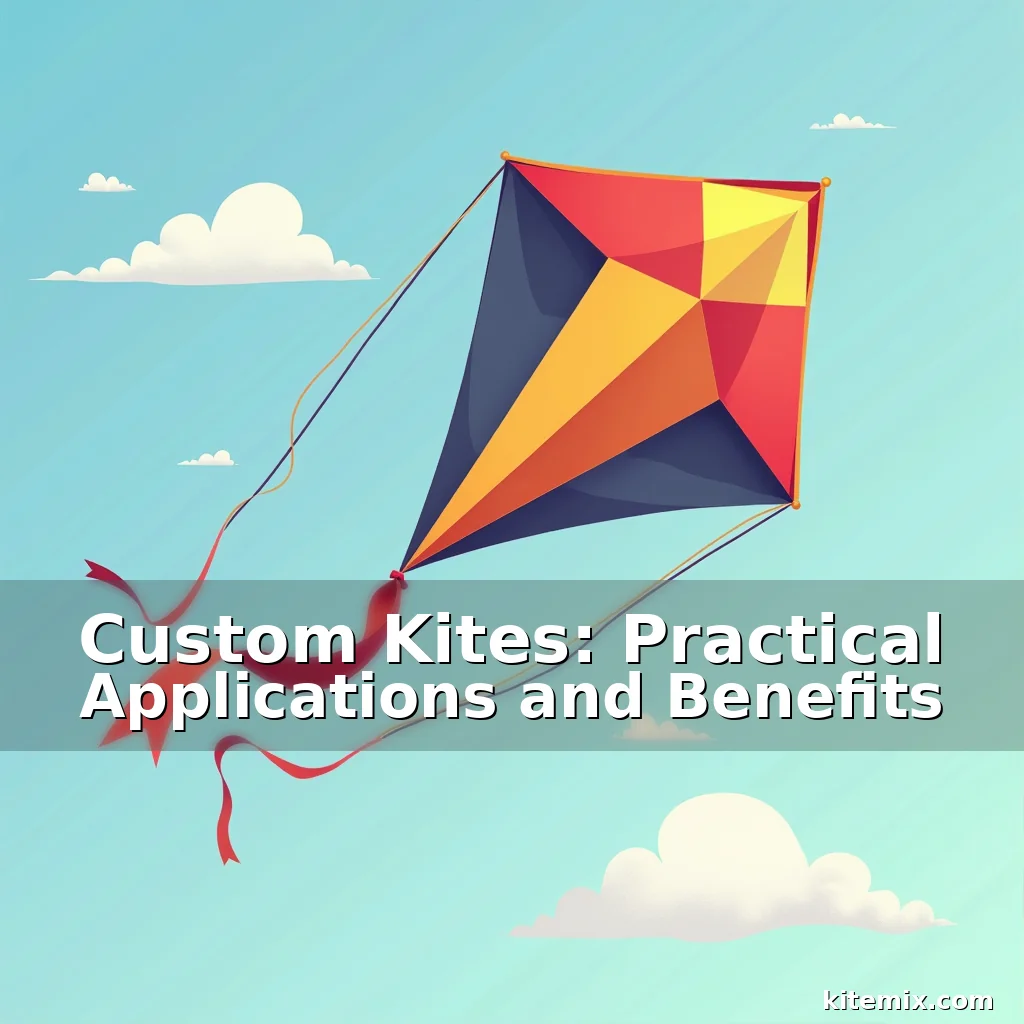
The Artistry Behind Personalized Kite Design: Crafting Your Unique Sky Canvas
In an era where individuality reigns supreme, custom kites have emerged as a vibrant expression of personal style and creativity. Unlike mass-produced options, these handcrafted flying wonders allow individuals to infuse their personality into every fluttering thread.
This guide explores the fascinating world of personalized kite design, from the materials used to the intricate customization processes that turn ordinary skies into canvases of self-expression.
The Evolution of Kite Customization
Kites have been soaring through human history for over two millennia, but the concept of customizing them is relatively modern. Traditional kites were often utilitarian objects made from bamboo and paper.
The shift toward artistic expression began in the early 20th century when artisans started experimenting with decorative patterns and colors. This evolution paved the way for today’s diverse range of customized designs.
Modern technology has revolutionized how we approach kite customization. Digital printing techniques now enable precise replication of complex artwork onto lightweight materials.
- Digital Printing: Allows exact reproduction of photographs, paintings, or graphic art on synthetic fabrics
- Laser Cutting: Creates intricate geometric shapes in wood or plastic components for structural elements
- Hand-Painting Techniques: Offers authentic texture and dimensionality through traditional brushwork methods
Craftsmanship remains central to quality custom kites despite technological advancements. Skilled artisans bring both technical expertise and creative vision to each project.
Materials That Define Custom Kite Quality
Selecting appropriate materials is crucial for creating durable yet beautiful custom kites. The right combination ensures optimal flight performance while preserving visual appeal.
Bamboo frames remain popular among enthusiasts due to their natural flexibility and strength-to-weight ratio. These organic materials also provide a warm aesthetic contrast to synthetic fabrics.
Synthetic fibers like ripstop nylon offer superior durability against UV rays and wind resistance compared to traditional rice paper. They’re ideal for outdoor use and long-term display purposes.
The Science of Fabric Selection
Fabric choice affects not just appearance but aerodynamic properties. A study by the International Kite Association found that certain woven polyester blends achieve perfect balance between lightness and tensile strength.
These specialized textiles maintain shape integrity during high-speed flights while allowing enough elasticity for dynamic movement patterns typical of custom kites.
Special coatings can be applied to enhance weather resistance without compromising transparency features essential for some artistic effects.
For those seeking eco-friendly alternatives, recycled polyethylene terephthalate (rPET) fabrics are gaining popularity in sustainable kite-making communities worldwide.
Design Elements That Elevate Custom Kites
A successful custom kite combines functional engineering with captivating visuals. Understanding key design principles helps transform simple ideas into extraordinary flying masterpieces.
Proportional symmetry plays a vital role in achieving stable flight characteristics. Even minor imbalances can affect how a kite responds to changing wind conditions.
Color theory influences both aesthetics and visibility. Strategic color placement enhances visual impact while maintaining necessary weight distribution across the frame structure.
Pattern complexity requires careful consideration of material limitations. Intricate detailing may demand heavier substrates which could alter overall flight dynamics significantly.
Creative Possibilities in Custom Kite Design
Custom kites open up endless opportunities for artistic experimentation. From minimalist line drawings to elaborate three-dimensional sculptures, there are few limits to what designers can create.
Some artists incorporate LED lighting systems within translucent panels, transforming night-time flights into mesmerizing displays of color and motion.
Interactive elements such as rotating parts or adjustable tail configurations add another layer of engagement for observers watching the kite soar overhead.
Collaborative projects involving multiple creators result in stunning mosaic-style kites featuring blended styles and themes from various contributors.
Techniques Used in Professional Custom Kite Production
Professional manufacturers employ sophisticated methods to ensure consistency and precision in their custom creations. These techniques combine traditional craftsmanship with advanced manufacturing technologies.
Computer-aided design (CAD) software allows for precise modeling before any physical construction begins. This digital pre-production phase minimizes errors during actual fabrication.
Vacuum forming creates smooth curved surfaces on plastic components by shaping heated sheets over molds using suction pressure.
Automated sewing machines handle repetitive stitching tasks with greater accuracy than manual methods alone, ensuring uniform tension across fabric joints.
The Role of Technology in Modern Kite Customization
Advancements in digital tools have expanded possibilities for custom kite creation beyond traditional media. New platforms empower hobbyists to explore innovative approaches previously reserved for professionals.
Augmented reality applications let users visualize potential designs in real-world environments before committing to production. This virtual testing capability reduces material waste associated with trial-and-error development phases.
3D scanning technology captures existing objects’ forms accurately, enabling faithful reproductions or modifications based on specific reference points.
Cloud-based collaboration spaces facilitate remote teamwork among designers located anywhere globally, streamlining creative workflows across different time zones effectively.
Preserving Tradition While Embracing Innovation
While embracing new technologies, many artisans strive to preserve age-old traditions that define cultural heritage associated with kite making practices around the world.
In regions like Indonesia and Japan, traditional batik dyeing techniques continue to influence contemporary customizations while respecting historical significance attached to these artisanal methods.
Workshops teaching ancestral skills alongside modern innovations help sustain knowledge transfer between generations ensuring continuity of craft culture amidst rapid change.
Hybrid approaches combining indigenous patterns with cutting-edge materials represent exciting frontiers currently being explored by forward-thinking designers worldwide.
Community Engagement Through Custom Kite Projects
Custom kites serve as powerful vehicles for fostering community connections and collaborative spirit. Group initiatives centered around shared creative endeavors promote social bonding experiences unlike any other.
Local festivals frequently feature custom kite competitions encouraging participants to showcase original works while learning from fellow enthusiasts through constructive feedback sessions.
Educational programs integrate kite building activities into school curricula, nurturing STEM skills through hands-on projects that blend science with artistic expression seamlessly.
Charitable organizations utilize custom kite campaigns raising awareness about environmental issues or supporting underprivileged youth groups financially challenged access to recreational resources.
Choosing the Right Custom Kite Designer
With numerous artisans offering bespoke services, selecting the most suitable creator requires thoughtful evaluation of several critical factors related to craftsmanship quality and client satisfaction levels.
Reviewing portfolios provides insight into past work demonstrating attention to detail, adherence to design specifications, and ability to translate abstract concepts into tangible results successfully.
Checking customer testimonials offers practical evidence regarding reliability, communication effectiveness, and fulfillment timelines experienced firsthand by previous clients.
Establishing clear expectations upfront regarding budget constraints, preferred materials, and delivery schedules prevents misunderstandings later stages of the project lifecycle.
Future Trends in Custom Kite Development
Ongoing research suggests emerging trends poised to reshape the landscape of personalized kite design in coming years. Innovations driven by sustainability goals and interactive capabilities promise exciting developments ahead.
Biodegradable composites developed specifically for kite structures aim at reducing environmental footprint without sacrificing structural integrity required for safe aerial performances.
Smart sensor integration enables real-time data collection tracking altitude changes, speed variations, and atmospheric conditions affecting flight behavior dynamically adjusting parameters accordingly.
Predictive analytics models analyze historical flight data predicting optimal launch times based on meteorological forecasts enhancing user experience considerably through proactive preparation measures.
As augmented reality interfaces become more intuitive, expect increased adoption rates among casual flyers who wish to augment their viewing pleasure with immersive digital overlays superimposed upon real-life scenes witnessed during kite flying excursions.
Conclusion
From ancient origins rooted in cultural rituals to present-day expressions of individual identity, custom kites embody humanity’s enduring fascination with skyward exploration.
Whether you seek a whimsical decoration adorning your garden space or aspire to compete professionally in international events showcasing artistic mastery achieved through meticulous engineering efforts, personalized kites offer something special tailored precisely to match personal aspirations uniquely.