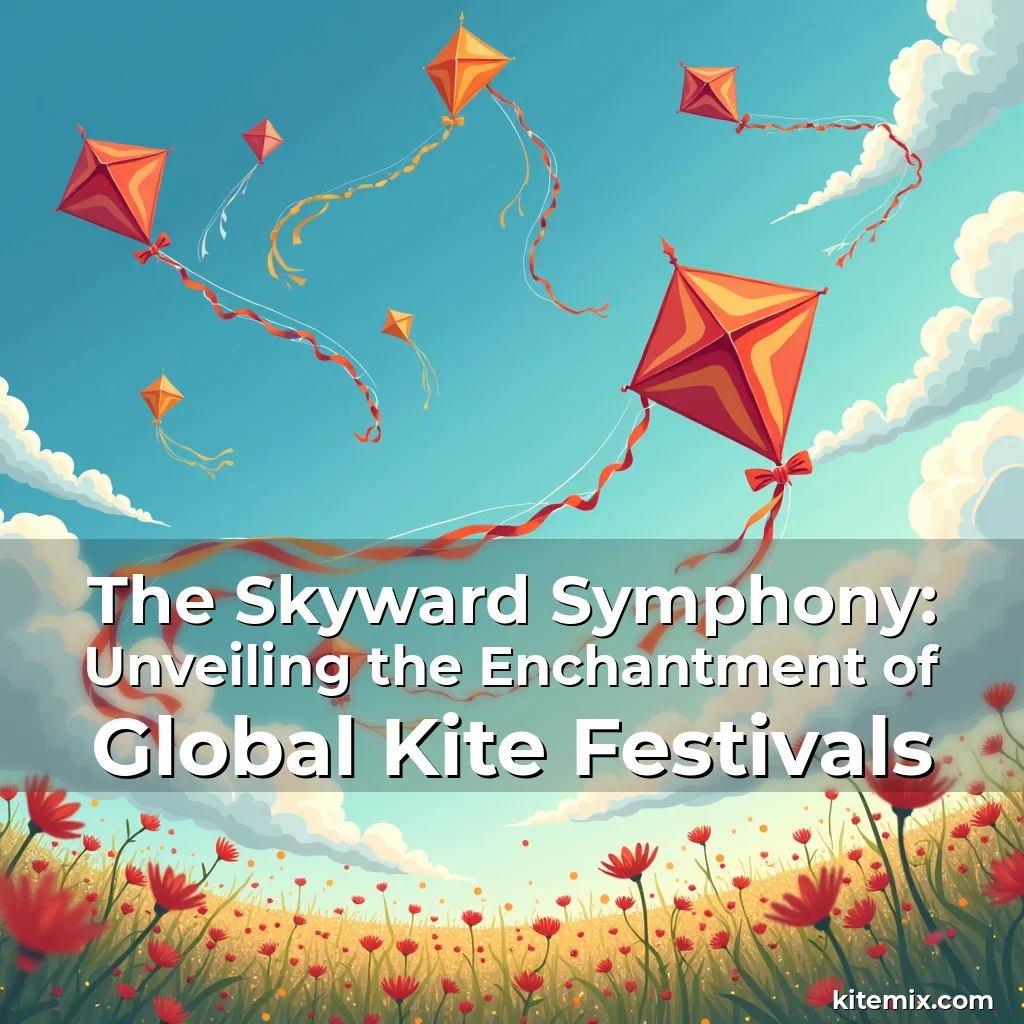
The Skyward Symphony: Unveiling the Enchantment of Global Kite Festivals
Kite festivals are vibrant celebrations that bring communities together under open skies, transforming mundane afternoons into awe-inspiring spectacles of color, sound, and cultural expression.
From the ancient origins rooted in mythology to modern-day events drawing thousands of enthusiasts worldwide, these festivals offer something truly magical—a harmonious blend of tradition and innovation in flight.
Aerial Traditions Across Cultures
Celebrating kite flying is an age-old practice found across continents, each culture infusing its own history, symbolism, and techniques into the art form.
In India’s Uttar Pradesh state, the Makar Sankranti festival sees millions releasing colorful kites to mark the sun’s journey northward, while Japan’s Hoshikuzu Hanakotoba event features delicate paper kites shaped like constellations.
These diverse traditions highlight how kites serve not only as recreational objects but also as carriers of heritage and identity.
Beyond Asia, countries like Indonesia hold annual competitions where master artisans craft intricate designs reflecting local folklore and religious beliefs through their work.
- Cultural Significance: Many societies associate kites with good fortune, protection from evil spirits, or communication with ancestors.
- Technological Evolution: While traditional bamboo-and-paper constructions remain popular, modern materials like carbon fiber and synthetic fabrics have revolutionized design possibilities.
The Science Behind Soaring Skies
Flying a kite involves understanding basic principles of aerodynamics, wind behavior, and material science—concepts that make every successful launch both thrilling and educational.
A well-designed kite balances lift force against gravity while maintaining stability through careful consideration of shape, weight distribution, and surface area.
This balance allows kites to harness air currents effectively without losing control during flight.
Skillful flyers learn to read weather patterns, anticipate gusts, and adjust tension accordingly to achieve optimal performance at different altitudes.
Modern technology has further enhanced this experience by enabling real-time data tracking using GPS-enabled sensors embedded in high-performance kites.
Such innovations continue pushing boundaries in competitive aerial displays featuring synchronized maneuvers between multiple kites.
Preparing for Your First Festival Experience
Newcomers often find themselves overwhelmed when attending their first kite festival due to the sheer scale and variety of activities available.
To maximize enjoyment, attendees should research specific event rules regarding kite size limits, prohibited materials, and safety regulations beforehand.
Packing essentials such as sunscreen, comfortable footwear, and portable seating can significantly enhance comfort levels throughout long days outdoors.
Arriving early provides opportunities to explore vendor booths offering everything from handmade crafts to specialized flying gear before crowds peak later in the day.
Learning fundamental flying skills ahead of time ensures participants feel confident handling various types of kites once they arrive at designated flying fields.
Engaging with experienced flyers offers invaluable tips about choosing appropriate locations based on prevailing wind conditions at any given moment.
Notable International Events Worth Attending
Several globally recognized kite festivals attract tens of thousands annually, creating unforgettable experiences for visitors who appreciate both visual beauty and communal spirit.
India’s International Kite Festival in Ahmedabad draws over two million spectators each year, showcasing some of the most elaborate sky decorations ever seen.
Japan’s Kakamigahara Airfield hosts one of the world’s largest indoor kite exhibitions, displaying hundreds of meticulously crafted models alongside interactive workshops.
Malaysia’s Langkawi International Kite Festival blends entertainment with education, offering children-friendly zones where young ones can try out simple flying kits safely supervised by professionals.
Each location brings unique elements—from competitive soaring contests judged on technical precision to artistic exhibitions highlighting creative interpretations of classic themes.
Eco-Friendly Innovations in Modern Kite Design
As environmental consciousness grows, so does interest in sustainable practices within the kite-making industry, leading to exciting new developments aimed at reducing ecological impact.
Artisans now experiment with biodegradable adhesives made from natural resins instead of petroleum-based glues commonly used previously.
Recycled plastics and reclaimed wood provide eco-conscious alternatives without compromising structural integrity essential for stable flights.
Some manufacturers incorporate solar panels onto larger kites designed specifically for power generation purposes rather than mere decoration.
These advancements reflect broader societal shifts toward greener technologies influencing even traditionally low-tech hobbies like kite flying.
By embracing sustainability initiatives, organizers ensure future generations will continue enjoying these airborne festivities responsibly without harming ecosystems around them.
Crafting Memories Through Community Engagement
Kite festivals foster strong bonds among people from differing backgrounds united solely by love for this shared activity, making them powerful platforms for cross-cultural exchange.
Vendors sell hand-painted creations representing regional aesthetics, allowing travelers to take home souvenirs imbued with stories behind each brushstroke.
Workshops teach aspiring builders how to construct personalized kites using locally sourced materials emphasizing craftsmanship over mass production methods.
Youth programs introduce kids aged eight and above to basic physics principles via hands-on experiments involving string tension measurements and angle adjustments affecting flight trajectories.
Volunteer teams assist newcomers navigate complex rules governing airspace management ensuring everyone enjoys safe participation regardless of skill level.
Preserving Heritage Amidst Rapid Change
While technological progress enables unprecedented feats in aerial acrobatics, there remains concern about preserving historical knowledge associated with traditional construction techniques passed down through generations.
Many elders worry younger audiences might lose touch with ancestral wisdom encoded within centuries-old methods still practiced today despite modernization trends.
Efforts are underway to document these processes digitally through video recordings capturing expert demonstrations followed by step-by-step guides explaining core components involved in building functional yet beautiful kites.
Collaborative projects between academic institutions and artisan groups aim to bridge generational gaps by integrating traditional teachings into formal curricula offered through public schools nationwide.
Such initiatives guarantee continuity in cultural preservation efforts while simultaneously fostering appreciation for indigenous craftsmanship appreciated globally.
Conclusion
Kite festivals embody the perfect fusion of recreation, education, and cultural celebration—an ephemeral yet profound way humans connect with nature and each other through shared joyous pursuits.
Whether you’re drawn by curiosity, nostalgia, or simply wanting to witness breathtaking visuals unfolding overhead, these gatherings promise memories worth cherishing far beyond fleeting moments spent beneath billowing silks against blue skies.