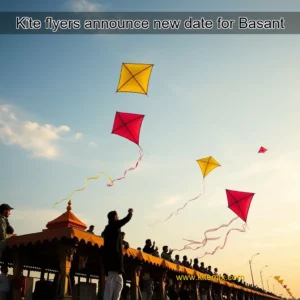
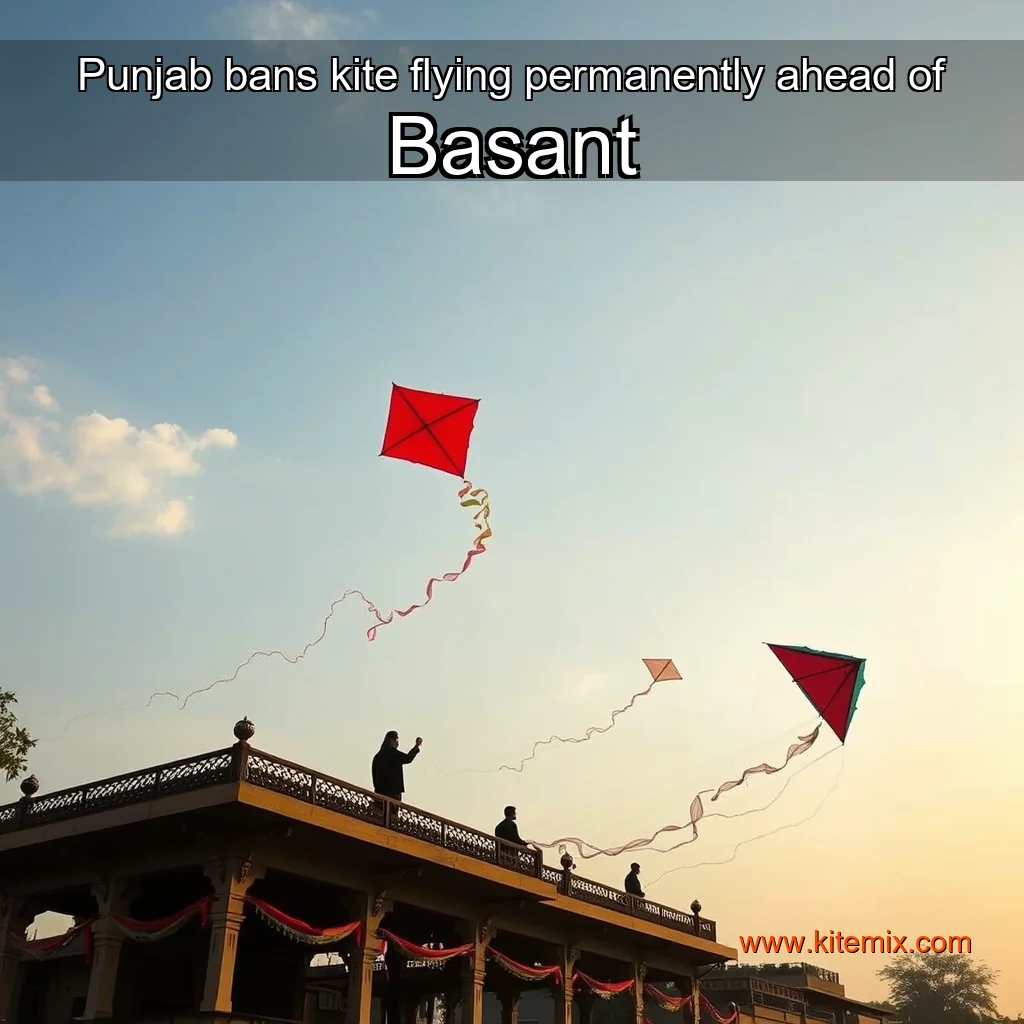
The law aims to reduce the number of accidents and injuries caused by kite flying, which has been a long-standing tradition in the province.
The Background of Kite Flying in Punjab
Kite flying has been a beloved tradition in Punjab for centuries, with the province’s fertile plains and strong winds making it an ideal place for the sport. However, over the years, the practice has also been associated with numerous accidents and injuries, particularly during the annual Baisakhi festival.
Kite manufacturers face new safety standards under Indian regulations.
The Impact of the New Regulations on Kite and String Manufacturers
The recent regulations introduced by the Indian government have sent shockwaves throughout the industry, with kite and string manufacturers facing the brunt of the new rules. The regulations, aimed at reducing the number of kite-related accidents and injuries, have been met with resistance from the industry, with many manufacturers arguing that the new rules will lead to increased costs and reduced competitiveness.
The New Regulations: A Closer Look
The new regulations, which came into effect on January 1, 2023, impose stricter standards on kite and string manufacturers.
The History of Basant
Basant, also known as the “Festival of Colors,” is an ancient Indian festival celebrated in the northern regions of India, Pakistan, and Nepal. The festival marks the beginning of spring and is associated with the arrival of the monsoon season. The word “Basant” is derived from the Sanskrit word “Vasant,” which means “spring” or “summer.”
Origins of Basant
The origins of Basant date back to the ancient Hindu festival of Makar Sankranti, which is celebrated on January 14th. Makar Sankranti is a significant festival in Hinduism, marking the beginning of the sun’s journey towards the northern hemisphere.