The Significance of Makar Sankranti
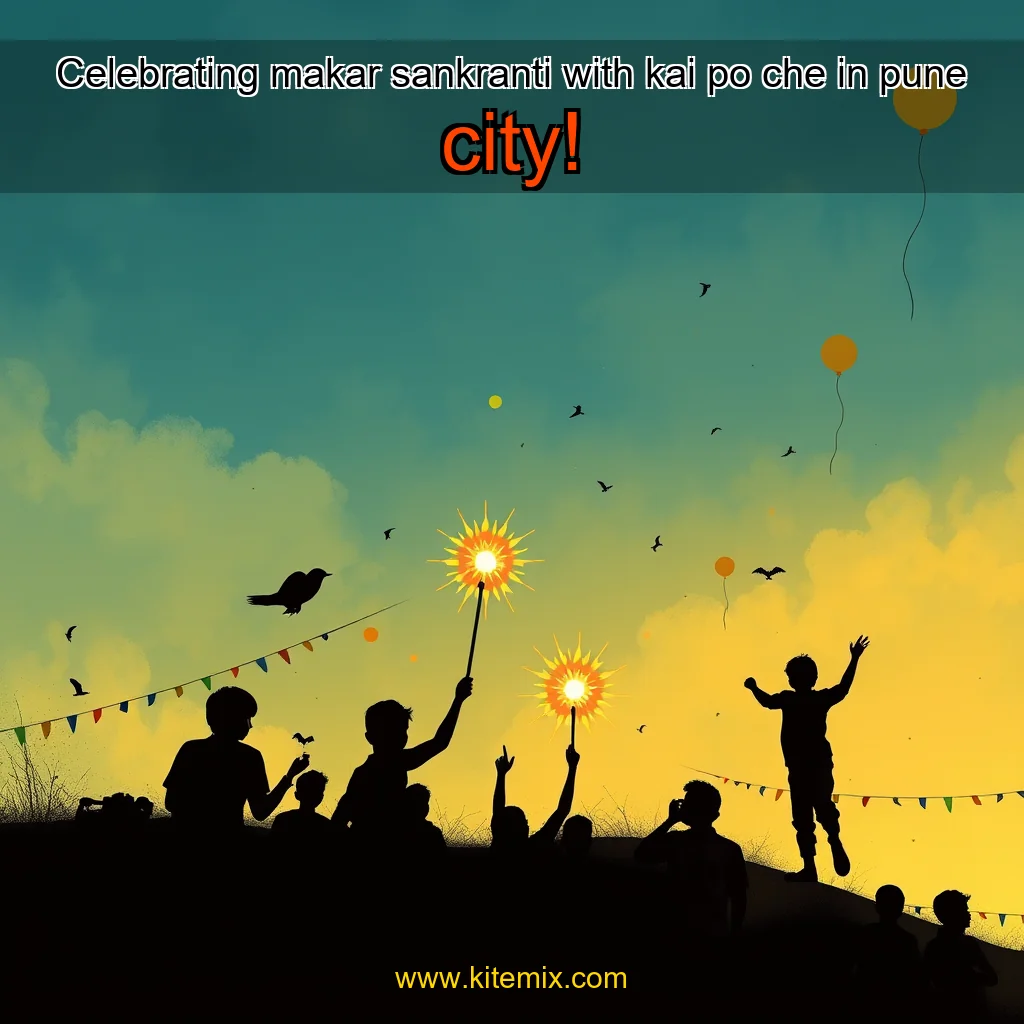
Makar Sankranti, a significant festival in India, marks the beginning of the sun’s journey towards the northern hemisphere. This ancient celebration has been a part of Indian culture for centuries, with its roots in Hindu mythology.
For him, Makar Sankranti is a time to reconnect with nature and his community.
The Significance of Makar Sankranti
Makar Sankranti is a significant festival in Hinduism, celebrated on the 14th day of the Hindu month of Makar, which falls between December 20th and January 19th. It marks the beginning of the sun’s journey towards the northern hemisphere, symbolizing the triumph of good over evil. The festival is also associated with the legend of the sun god, Surya, who is said to have descended from the heavens to the earth to bless his people.
Cultural Significance
Makar Sankranti is a celebration that transcends geographical boundaries, with various regions in India and other countries observing the festival in their unique ways. In Gujarat, the festival is known as Uttarayan, and is celebrated with the flying of kites, the exchange of gifts, and the consumption of traditional sweets.
Kites Take Flight with Eco-Friendly Alternatives to Plastic Manja.
The Rise of Sustainable Kites
In recent years, the traditional kite-flying culture has seen a significant shift towards sustainable practices. Gone are the days of flying kites with plastic manja, which was once the norm. Today, kite enthusiasts are opting for eco-friendly alternatives that not only reduce harm to the environment but also promote a healthier and safer flying experience.
The Problem with Plastic Manja
Plastic manja, also known as flying threads, was once the go-to material for kite enthusiasts. However, its use has been linked to several environmental and health issues. The plastic manja can cause harm to birds, especially migratory species, and can also lead to entanglement and suffocation. Moreover, the production and disposal of plastic manja contribute to pollution and waste.
Sustainable Alternatives
Fortunately, there are several sustainable alternatives to plastic manja that are gaining popularity. Some of the most common eco-friendly materials used for kite-making include:
These sustainable materials not only reduce harm to the environment but also promote a healthier and safer flying experience.
The Significance of Makar Sankranti
Makar Sankranti is a significant festival in Hinduism, celebrated on the 14th day of the Hindu month of Kumbh. It is a time of renewal and rejuvenation, marking the beginning of the sun’s journey towards the northern hemisphere. This festival is celebrated with great enthusiasm and fervor across India, with various regional traditions and customs.
Regional Variations
Cultural Significance
Makar Sankranti is a celebration of the sun’s journey towards the northern hemisphere, and is considered a time of renewal and rejuvenation. The festival is also associated with the legend of the sun god, Surya, who is said to have descended to the earth during this period.
Health Benefits
The festival is also associated with the benefits of sunlight exposure. Exposure to sunlight during this period is considered beneficial for health, as it helps to boost the immune system and improve mood.
Traditional Practices
Makar Sankranti is celebrated with various traditional practices, including:
Kites have been used for more than just recreational purposes throughout history.
The longest distance covered by a kite is 1,200 km.
The Thrilling World of Kite Flying
A Brief History of Kite Flying
Kite flying has a rich and fascinating history that spans thousands of years.
FOLLOW US ON SOCIAL MEDIA