The Birth of a Kite-Maker
Asghar Belim’s love affair with kite-making started when he was just a young boy growing up in Jodhpur, India. His grandfather, a skilled kite-maker, would often take him to the local market to buy materials and teach him the art of creating beautiful kites. Belim’s grandfather would tell him stories about the history of kite-making in India and the significance of kites in various festivals and celebrations.
The Birth of a Kite Festival
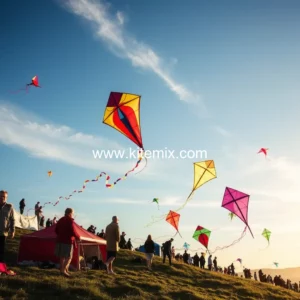
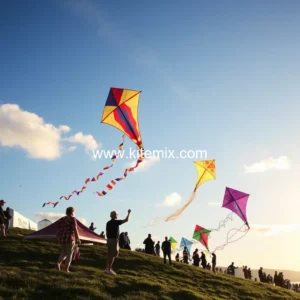
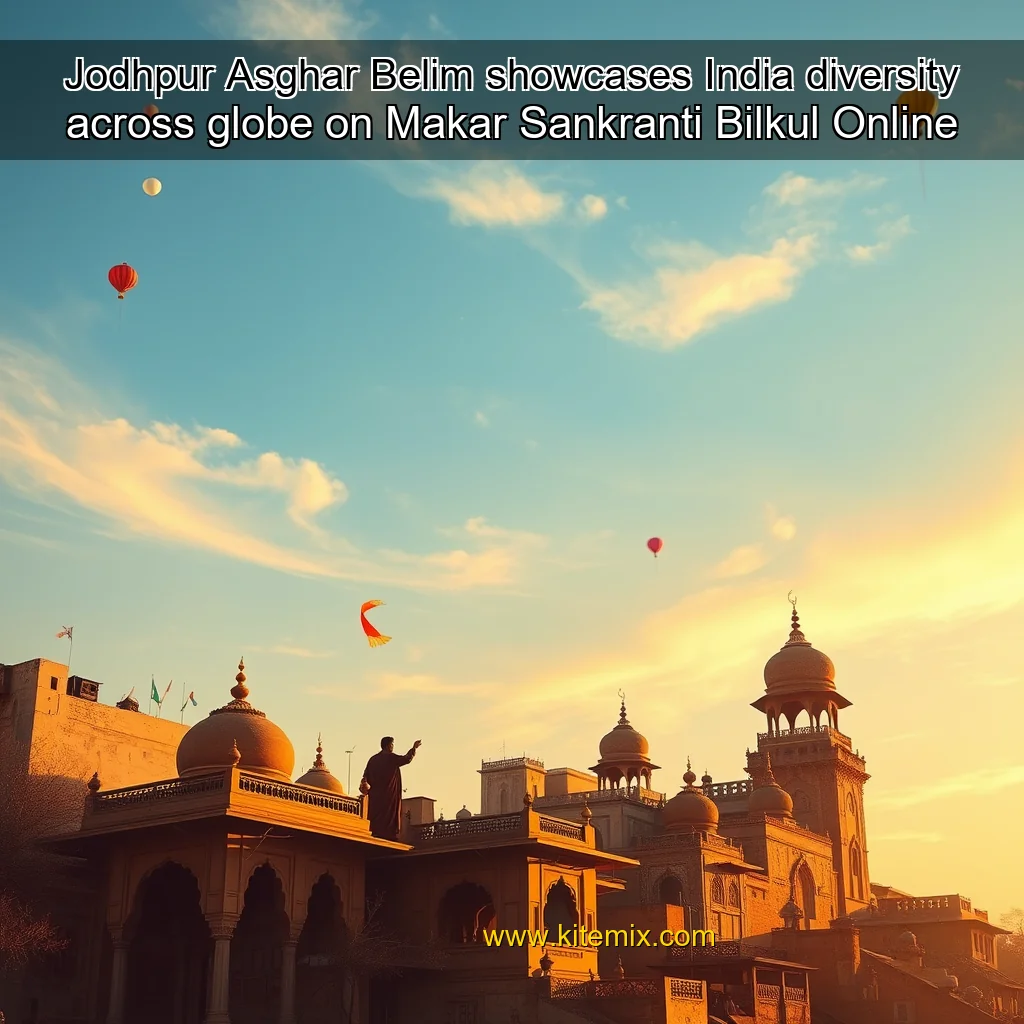
In 2015, Asghar Belim, a young entrepreneur from Gujarat, India, had a vision to promote India’s rich cultural heritage through a unique festival. He was inspired by the enthusiasm and joy of kite-flying during the Makar Sankranti festival, which is celebrated in India to mark the beginning of the sun’s journey towards the northern hemisphere.
The Concept Takes Shape
Asghar Belim’s vision was to create a kite festival that would not only showcase India’s rich cultural heritage but also promote unity and harmony among people from different backgrounds. He wanted to create a platform where people could come together, share their cultural traditions, and enjoy the beauty of kite-flying. Key features of the festival: + A grand kite-flying competition + Traditional Indian music and dance performances + Cultural exhibitions and workshops + Delicious street food and drinks
The First Festival
The first kite festival, “Kite Festival of India,” was held in 2015 in Ahmedabad, Gujarat. The event was a huge success, attracting thousands of people from all over India. The festival featured a grand kite-flying competition, traditional Indian music and dance performances, cultural exhibitions, and delicious street food and drinks.
Recognition and Accolades
Asghar Belim’s efforts did not go unnoticed.
For him, it’s a symbol of hope and freedom.
The Significance of Makar Sankranti
Makar Sankranti, a festival celebrated in India and other parts of the world, holds a special significance in the lives of many. It marks the beginning of the sun’s journey into the northern hemisphere, symbolizing the triumph of good over evil. This festival is deeply rooted in Hindu mythology and is associated with the legend of the sun god, Surya.
The Legend of Surya
According to Hindu mythology, Surya was a powerful sun god who was known for his bravery and strength. One day, he was challenged by the demon king, Rahu, who was determined to cut off the sun’s head and drink its nectar. Surya, however, was not one to back down from a challenge. He fought bravely against Rahu and his army, but was ultimately forced to retreat.
The Significance of Makar Sankranti
The legend of Surya and Rahu has a profound impact on the significance of Makar Sankranti. The festival is a celebration of the sun’s victory over evil, and is often associated with the triumph of good over evil. This theme is reflected in the various rituals and customs that are observed during the festival.
The Rituals and Customs of Makar Sankranti
Makar Sankranti is celebrated with great fervor and enthusiasm, and is marked by various rituals and customs. Some of the most common rituals include:
The Significance of Makar Sankranti
Makar Sankranti, a significant festival in Hinduism, marks the beginning of the sun’s journey towards the northern hemisphere. This ancient celebration is observed on the 14th day of the month of Magha, which falls between mid-January and mid-February. The festival is a time of renewal, hope, and joy, symbolizing the triumph of good over evil.
The Story Behind the Festival
According to Hindu mythology, the sun god Surya was once trapped in the underworld by the demon king Rahu. The gods, led by Lord Vishnu, devised a plan to rescue Surya. They created a bridge made of clouds to reach the underworld, and Surya was able to cross over and defeat Rahu. This mythological story is often associated with the Makar Sankranti festival, where the sun’s journey towards the northern hemisphere is seen as a triumph of good over evil.
The Significance of the Sun’s Journey
The sun’s journey towards the northern hemisphere is a significant aspect of Makar Sankranti. As the sun moves towards the northern hemisphere, it is believed to bring warmth, light, and life to the world.